Contractor licensing is not a federal system. Every state administers its own licensing requirements, operates its own regulatory boards, and defines the qualifying relationship differently. What does not change — across any state in the NCQN network — is the professional standard that governs every contractor qualifier relationship facilitated through the network.
The National Contractor Qualifier Network currently includes licensed contractors available for qualifying relationships in the following states. As the network continues to expand responsibly, additional states are being added under the same governance framework that governs every active market today.
Active regulated networks
Applied in every state
Board Oversight across all jurisdictions
When a construction company connects with a qualifier through any NCQN member platform — whether through Contractor Qualifier Connect or Contractor Qualifier Match — they are not accessing a state-specific listing. They are accessing a professional who has been vetted against a national standard and is participating in a governed network with Advisory Board oversight.
State licensing rules determine the specific obligations of a qualifying relationship. NCQN’s governance standards determine who is qualified to enter into one. Both matter. Neither replaces the other.

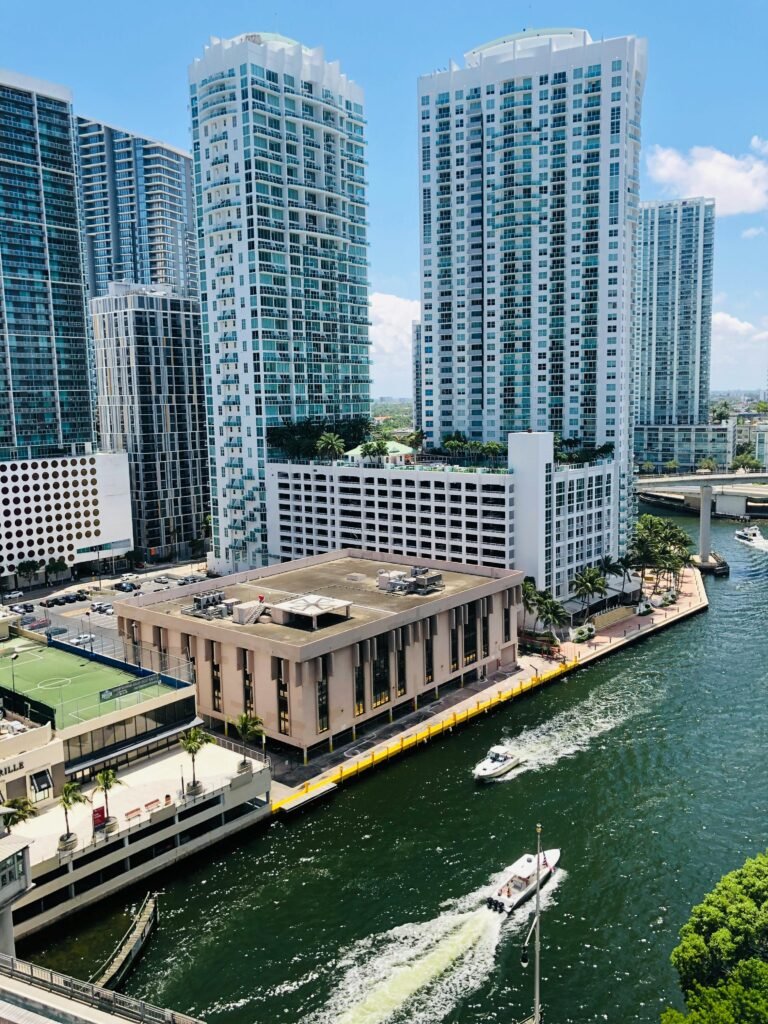
Florida is one of the most complex and high-volume contractor licensing environments in the United States — and one of the most active state networks within NCQN. Florida contractor licensing is administered by the Florida Department of Business and Professional Regulation (DBPR) and the Florida Construction Industry Licensing Board (CILB). A licensed contractor must be formally associated with a construction company for that company to hold an active contractor license, pull building permits, and perform licensed construction work in Florida.
Florida’s DBPR and CILB operate strict replacement timelines — a company without a licensed contractor on record can face permit freezes and license suspension proceedings faster than most owners anticipate. The NCQN network includes licensed Florida contractors available for qualifying relationships across the following classifications: General Contracting, Electrical Contracting, Underground Utility Contracting, and Mechanical Contracting. All Florida network participants are vetted to NCQN’s participation standards prior to listing.
California contractor licensing is administered by the California Contractors State License Board (CSLB). California uses a unique qualifying structure: the qualifying individual is designated as a Responsible Managing Officer (RMO) or a Responsible Managing Employee (RME) — designations with specific legal obligations that differ substantially from other states.
An RMO is a bona fide officer of the licensed corporation who exercises direct supervision and control over construction operations. An RME is a full-time employee subject to minimum weekly hour requirements, and whose personal license must be placed on inactive status during the engagement. The NCQN network includes licensed California contractors — vetted to both CSLB requirements and NCQN participation standards — available to serve as RMO or RME for construction companies seeking California contractor licenses. California network introductions are facilitated through Contractor Qualifier Connect.


Georgia contractor licensing is administered by the Georgia State Licensing Board for Residential and General Contractors. Construction companies operating in Georgia must have a licensed contractor formally associated with their business in order to obtain and maintain a contractor license and perform licensed construction work. The NCQN network includes licensed Georgia contractors available for qualifying relationships — particularly in general contracting classifications — with introductions facilitated through Contractor Qualifier Connect.
Companies expanding into Georgia from other states — or companies that have lost a qualifying contractor and face Georgia’s replacement timeline — can access the NCQN network to identify potential matches. All Georgia network participants are vetted to NCQN participation standards prior to listing.
North Carolina contractor licensing for general contractors is administered by the NC Licensing Board for General Contractors. North Carolina uses a tiered licensing structure based on project value — and the qualifying contractor must hold the appropriate license classification for the scope of work the construction company intends to perform. The NCQN network includes licensed North Carolina contractors available for qualifying relationships, with introductions facilitated through Contractor Qualifier Connect.
Companies new to the North Carolina market — or companies that have lost a qualifying contractor and face the state’s replacement timeline — can access the network immediately. All North Carolina network participants are vetted to NCQN participation standards prior to listing.


South Carolina contractor licensing is administered by the SC Contractors Licensing Board. South Carolina requires that a licensed contractor be formally associated with a construction company for licensing and permit purposes throughout the duration of the qualifying relationship. The NCQN network includes licensed South Carolina contractors available for qualifying engagements, with introductions facilitated through Contractor Qualifier Connect.
Companies performing construction work across the Carolinas — or expanding from neighboring states into the South Carolina market — will find South Carolina coverage within the NCQN network’s southeastern footprint. All South Carolina network participants are vetted to NCQN participation standards prior to listing.
Alabama contractor licensing is administered by the Alabama Licensing Board for General Contractors. Alabama requires that construction companies performing work above the applicable project threshold hold a state contractor license — and that a licensed contractor be formally associated with the business in the qualifying capacity required by the ALBGC. The NCQN network includes licensed Alabama contractors available for qualifying relationships across general contracting classifications, with introductions facilitated through Contractor Qualifier Connect.
Companies entering the Alabama market — or replacing a departed qualifier — can be introduced to NCQN network contractors familiar with ALBGC requirements and approval timelines. All Alabama network participants are vetted to NCQN participation standards prior to listing.


Texas construction licensing operates differently from most other network states. Texas does not administer a general contractor license at the state level. Instead, Texas regulates specific trade licenses — including electrical and mechanical contracting — through agencies such as the Texas Department of Licensing and Regulation (TDLR). For companies performing regulated trade work in Texas, a licensed contractor must be formally associated with the business for permit applications and contract compliance.
The NCQN network includes licensed Texas contractors in electrical and mechanical classifications available for qualifying relationships, with introductions facilitated through Contractor Qualifier Connect. All Texas network participants are vetted to NCQN participation standards prior to listing.

Carolina contractor licensing is administered by the South Carolina Contractors Licensing Board. The Network includes licensed contractors available for qualifying companies performing work in South Carolina.

Georgia contractor licensing is administered by the Georgia State Licensing Board for Residential and General Contractors. The Network includes licensed Georgia contractors available for qualifying relationships.

North Carolina contractor licensing is administered by the North Carolina Licensing Board for General Contractors. The Network includes licensed contractors available to qualify companies performing construction work in North Carolina.

Texas construction licensing requirements vary by license type and municipality. The Network includes licensed Texas contractors — particularly in electrical contracting and specialty trades — available to qualify companies operating in Texas.
Every standard NCQN sets today is designed to scale. Every vetting process, every platform governance structure, every Advisory Board decision — these are being built to hold up not just in Florida and California, but in every state where contractor qualifier relationships are required by law.
If your state is not yet listed in the network, it is not because NCQN does not serve it — it is because the network is being built responsibly, state by state, with the regulatory knowledge each market requires.
Based on current market information, typical monthly compensation for contractor qualifier relationships includes:

General contractor qualifiers work with companies performing commercial, residential, or mixed-use construction. Compensation reflects the scope of work and supervision requirements.
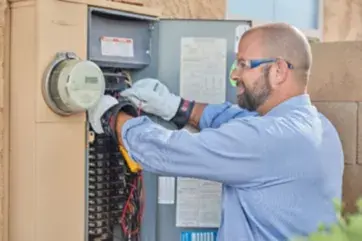
Electrical contractor qualifiers are in high demand due to the technical nature of electrical licensing and the volume of commercial and infrastructure electrical projects.
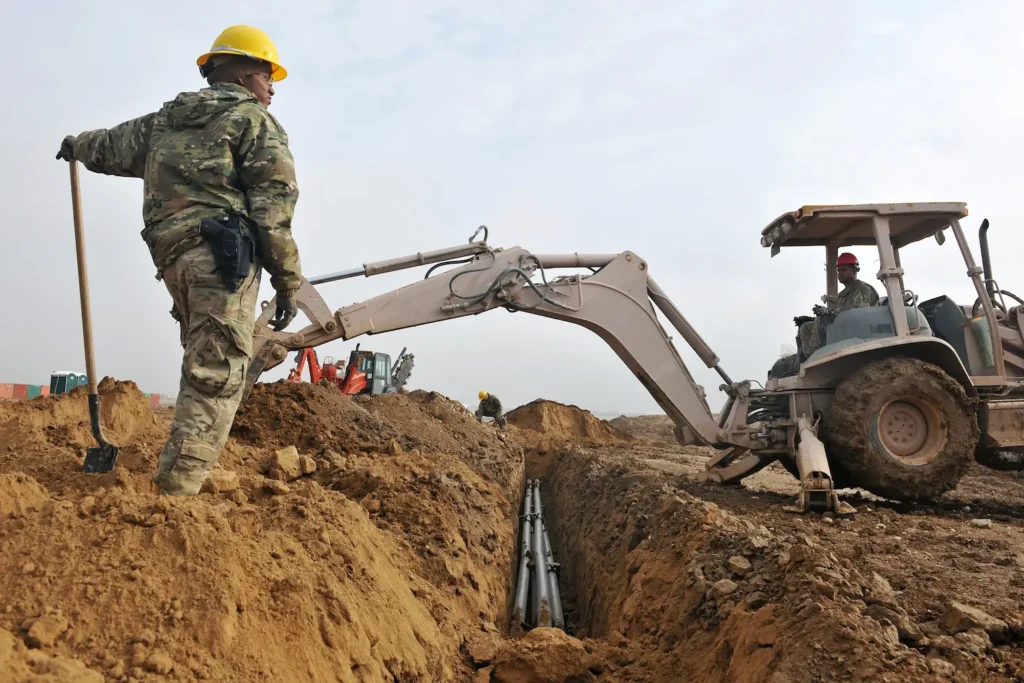
Underground utility contractor qualifiers are among the most sought-after qualifier relationships due to growing demand in fiber infrastructure, telecommunications, and utility installation projects.

Mechanical and HVAC contractor qualifiers work with companies performing mechanical system installation, HVAC work, and related construction activities.

Several factors influence the compensation negotiated in a contractor qualifier relationship:
Qualifier compensation is typically structured as a monthly retainer paid by the construction company to the licensed contractor. Some relationships may involve additional compensation tied to project volume or permit activity.
The specific terms of compensation are negotiated directly between the licensed contractor and the construction company.
Companies that find a qualifier through Contractor Qualifier Connect may be subject to a placement or introduction fee. Contact Contractor Qualifier Connect for current fee information.

Building permits typically require a licensed contractor to be associated with the company applying for the permit. If your company does not have a licensed contractor on record with the applicable licensing authority, the permit may be denied.
Common situations where this problem occurs:

A contractor qualifier — sometimes referred to as a qualifying agent — is a licensed contractor who may qualify a construction company’s contractor license in accordance with applicable state licensing laws.
In many states, a construction company must have a licensed contractor associated with the company in order to obtain and maintain a contractor license and pull building permits.
When a construction company enters into a qualifying relationship with a licensed contractor,the licensed contractor may become
the qualifying agent for the company’s contractor license.
This may allow the company to:
Contact Contractor Qualifier Connect to discuss your situation.
ontractor qualifier relationships must comply with all applicable state licensing laws. Companies and licensed contractors are responsible for ensuring that their qualifying relationship satisfies all state licensing requirements. The National Contractor Qualifier Network facilitates introductions between companies and licensed contractors. The Network does not issue contractor licenses and does not guarantee licensing approval by any state regulatory authority. Companies are strongly encouraged to consult with a construction attorney regarding licensing requirements before entering into a qualifying relationship.